How to Make Skin With Beef Tallow
Fact Checked
This Dr. Axe content is medically reviewed or fact checked to ensure factually accurate information.
With strict editorial sourcing guidelines, we only link to bookish research institutions, reputable media sites and, when research is bachelor, medically peer-reviewed studies. Annotation that the numbers in parentheses (1, 2, etc.) are clickable links to these studies.
The information in our manufactures is Non intended to supplant a ane-on-1 human relationship with a qualified wellness care professional person and is not intended as medical advice.
This article is based on scientific bear witness, written past experts and fact checked by our trained editorial staff. Note that the numbers in parentheses (1, two, etc.) are clickable links to medically peer-reviewed studies.
Our team includes licensed nutritionists and dietitians, certified health education specialists, too equally certified strength and conditioning specialists, personal trainers and corrective exercise specialists. Our team aims to be non but thorough with its research, but also objective and unbiased.
The information in our manufactures is Not intended to replace a one-on-one human relationship with a qualified health care professional and is non intended every bit medical communication.
What Is Tallow? Top 5 Reasons to Employ This Class of Fat
June 27, 2020
Desire to know a lilliputian-known fact most McDonald's french chips? Before Mcdonald's starting using hydrogenated vegetable oils to fry its chips, the company used good, old-fashioned beefiness tallow.
Many other fast food restaurants did, also, including Burger King, Wendy's, Hardee's, Arby'southward, Dairy Queen, Popeyes and Bob's Big Boy.
For centuries, tallow (or beefiness fat) was considered a healthy and delicious fat for frying, baking and more. It was only in one case cheap, highly processed vegetable oils became widely available in the U.S. and elsewhere that tallow and similar animals fats (like schmaltz and lard) went out of fashion.
Tin you notwithstanding eat tallow? Yeah — and in moderation, some would nevertheless consider information technology to be a healthy fat to melt with, especially compared to margarine or processed shortening.
Grass-fed beef fatty can be a smashing source of oleic acrid, conjugated linoleic acrid (CLA) and other fatty acids that are thought to exist practiced for increasing "skillful" cholesterol levels and supporting cognitive/brain health and a strong metabolism.
What Is Tallow?
Tallow is fat rendered from beef (or less oftentimes mutton), which is why it'due south sometimes called beef lard. Like many other saturated fats, information technology's solid at room temperature only melts into a liquid when heated.
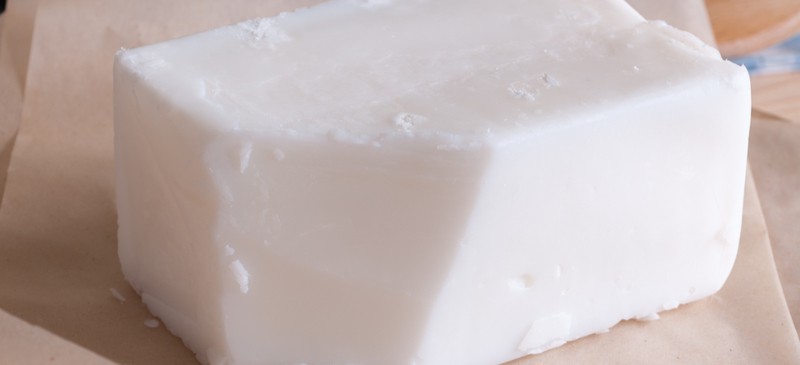
Tallow'southward appearance and texture are described as being similar to butter's, since it'south solid and beige/white color when cooled. Notwithstanding, it has a drier, waxy texture and somewhat different taste than butter.
Types/Varieties
Although most people refer to only beefiness fat as tallow, technically other animal fats can also be called by the same name. Some commercial types of tallow contain fatty derived from multiple animals, including mutton, pigs and hogs.
Most often tallow is fabricated past rendering suet, which is a difficult, white blazon of fat establish in the tissues surrounding animals' organs.
Many consider the best quality beef tallow to be rendered from the fat around the kidneys, although it can also exist made from rendering other fat. This fatty tissue around the kidneys stores many nutrients, especially when the cattle is grass-fed.
Tallow can also sometimes be referred to as shortening, which is defined equally any fat that is solid at room temperature and used in baking.
Nutrition Facts
Tallow is a mostly saturated brute fatty, although it contains some unsaturated fats as well. The breakdown of fats in tallow is estimated to be 45 percent to fifty per centum saturated fat, 42 percent to 50 percentage monounsaturated fat and 4 percentage polyunsaturated fat.
According to the U.Southward. Department of Agriculture, one tablespoon of tallow has virtually:
- 115 calories
- 13 grams of fat (including vi.five grams saturated fat and 5.5 grams of monounsaturated fat)
- 0 grams of carbs, protein, sugar or fiber
In terms of food content, the highest-quality beef tallow comes from grass-fed cattle, as opposed to those conventionally raised on feedlots and fed grains. Grass-fed cattle tend to store more omega-3s, CLA and other beneficial compounds in their bodies compared to cows that are fed less good for you diets.
Tallow rendered from grass-fed cattle provides some of the post-obit nutrients:
- Vitamins A, D, K, Eastward and B12
- Choline
- CLA
- Other fatty acids, including oleic acid, palmitoleic acid, stearic acid, linoleic acid and others
Health Benefits
What are the benefits of tallow? Here are some of the reasons this fatty has been used in cooking, baking and more for centuries.
1. Provides Healthy Fats, Including Cholesterol
In the 1950s, researchers first began advocating for a lower-fat nutrition since beast fats were existence linked to evolution of coronary heart disease. Notwithstanding, since this time we've come to empathize that foods high in fat and cholesterol actually provide sure health benefits.
As mentioned above, tallow provides both saturated and monounsaturated fats. Information technology's made upwardly of virtually 40 percent to 50 pct monounsaturated fats, which are considered one of the most heart-salubrious fats in our diets.
This is the aforementioned type of fat found in olive oil.
The type of saturated fatty plant in tallow is believed to have a mostly neutral effect on claret cholesterol levels, or the ability to enhance "good" HDL cholesterol, meaning that consuming it in moderate amounts shouldn't increase your adventure for cardiovascular disease.
Consuming saturated fat as part of a healthy diet has as well been shown in some cases to have an inverse relationship with obesity-related type ii diabetes.
Some other do good of consuming natural fats is for cognitive wellness, since a high per centum of your encephalon is made upward of cholesterol and fat.
2. May Help Back up Weight Loss/Management
Tallow is rich in CLA, a fatty acid that studies suggest tin can back up a salubrious metabolism and may pb to fat burning. There's some bear witness demonstrating that CLA besides has anti-inflammatory and immune-supporting properties, perchance even fighting growth of tumors, as does the fatty acrid oleic acrid.
Consuming animal fats can be especially helpful for weight loss if you follow a high-fat keto diet, which leads to ketosis and can also have benefits such equally reducing inflammation and oxidative stress.
iii. Can Help You Blot Essential Vitamins
Yous need fats in your nutrition to absorb fatty-soluble vitamins, including vitamins A, D, Due east and Thousand. These essential vitamins assist support your immune organization, skeletal system, heart, skin and more.
4. Has a Loftier Smoke Point
Compared to other cooking fats and oils, including olive oil and butter, tallow has a higher smoke point effectually 420 to 480 degrees Fahrenheit. Smoke point refers to the temperature at which an oil starts to burn, smoke and lose many of its nutritional benefits.
Tallow can exist used at high temperatures without causing its chemical composition to alter. When cooking at high heat — such as roasting, frying and baking — use it over oils like canola, corn and even virgin olive oil, which are decumbent to oxidizing at high temperatures and tin contribute to bug such as formation of costless radicals.
five. Can Assist Hydrate Skin
Why is tallow good for your skin? It's rich in fatty acids that help form the lipids that keep skin protected and moisturized.
These include palmitoleic acid, stearic acid and oleic acid (the same type of fatty found in olive oil).
Consuming fats can help support the skin, while some fats, including tallow, tin can also be applied topically to your skin. Some benefits of tallow for peel wellness include:
- Improving wet and treating dryness
- Helping increase skin's flexibility and ability to heal
- Supporting the protective barrier role of peel
How to Apply/Recipes
In terms of cooking, what is tallow good for? Because it has a high smoke point (between 400–420 degrees F), it'due south a good fat for frying, baking, sauteing and roasting.
It can help requite crusts, pastries, fried foods and broiled goods a crumbly texture.
Some popular uses for tallow include making:
- Donuts
- Fritters
- Pie crusts
- Flour tortillas
- Mexican recipes, similar fried plantains and tamales
- Cookies
- Pound cake
- Biscuits
- Fried pork, chicken and other fried meats
- Lardo
- Fried vegetables, latkes and veggie fritters
Where to Buy Tallow
Look for organic tallow sourced from grass-fed cows at a local farmers marketplace or health food store. You lot may also be able to find it at your local butcher store.
How to Make Tallow
- Purchase some grass-fed beef fat, such as from a butcher shop or farmers market. You may need to buy a big chunk before grinding or cutting it upwardly and rendering information technology into liquid fat.
- Grind the fat or cutting it upwardly into very small-scale pieces (or ask the butcher to practise this for you). Put the fat into a irksome cooker on depression or medium for several hours. You will hear crackling noises while information technology cooks. In one case the noise stops and at that place is just liquid tallow and some crispy bits (called greaves or cracklings), it's done. Try to plough the rut off equally presently as the dissonance stops.
- Let information technology absurd off for an hr, so strain it through a mesh strainer and and store in a glass mason jar. If you keep information technology in an airtight container it doesn't demand to be refrigerated short term, however some people cull to refrigerate it if keeping information technology for a while.
Tallow Soap
Traditionally, many soap bars were fabricated with tallow, since it helps harden and lather soap while also supporting skin's natural barrier.
If you're familiar with making soap at abode using vegetable oils, you can try using tallow instead. To make homemade tallow soap, combine it with sodium hydroxide, water, jojoba or almond oil, along with essential oils, such as lavender, to improve the olfactory property and soothing quality.
Alternatives
What tin you use instead of tallow (besides lard)?
Grass-fed butter is a good culling and tin can be used in similar ways as tallow, since they contain more often than not the same types of fats. Both are betwixt twoscore pct to 60 percent saturated fat.
Some people may prefer the gustatory modality of butter, especially in baked goods. Notwithstanding, one advantage of tallow is that information technology's dairy-costless and tolerated by those with lactose intolerance/dairy allergies.
Expert quality oils, such as coconut oil and avocado oil, can also be proficient alternatives that supply you with a mix of healthy fats. However, refined vegetable oils are non the all-time option, since they are often rancid due to exposure to loftier heat and are very high in pro-inflammatory omega-six fatty acids.
What is the departure between tallow and lard?
Lard is "fat from the abdomen of a pig (or swine) that is rendered and clarified for utilize in cooking." In other words, it's a blazon of rendered pork fat or what some have nicknamed "bacon butter."
Lard is really considered to be the "original shortening," popular long before the creation of partially hydrolyzed vegetable oils and human-made trans fats. This semi-soft white fat is high in saturated fat but contains no trans fat.
That means it may actually provide some benefits, such as supplying y'all with fats and cholesterol that are needed to fuel the brain and produce hormones.
Many respected chefs and bakers consider lard to exist one of the all-time fats for frying and making pastries. Not only does it accept a neutral gustation and high smoke point, but it helps makes fried foods crispy and crumbly.
The downside to eating lard is that it's likely to be derived from pigs that are contaminated with toxins. Pork/pigs are usually raised in unhealthy environments that causes them to go ill, and this can affect both their meat and fat.
Risks and Side Effects
There's now expansive evidence suggesting that natural animal fats may actually exist healthier than partially hydrogenated vegetable shortenings, especially the kinds that contain trans fats, which have been linked to conditions including heart disease.
That said, well-nigh health authorities still recommend that you consume tallow and other animal fats in moderation or small-scale amounts — and that y'all include unsaturated fats in your nutrition likewise.
Purchasing high-quality tallow from grass-fed cattle/mutton is too of import, since today many types sold in supermarkets come up from conventionally raised cows that may be raised with use of hormones, antibiotics and so on. It'south also important to avoid hydrogenated animal fats (meaning they contain non only cholesterol and saturated fat, but also dangerous trans fats).
If y'all are at loftier risk of heart disease and have a history of high cholesterol, consider limiting your use of pure brute fats or at to the lowest degree getting your medico'due south advice.
Decision
- What is tallow? Also called beef tallow, it's animal fat that is typically rendered from cattle or mutton, although it sometimes too contains fat from pigs/hogs.
- Animal fats supply you with fatty acids and cholesterol that play many of import roles, including helping fuel your encephalon and produce hormones that aid regulate your appetite, body weight, mood and more than.
- Tallow benefits (especially when sourced from organic, grass-fed cattle) can include supplying you with essential fat acids, supporting your metabolism and body weight direction, improving assimilation of vitamins, supporting peel health, and fueling your brain with needed cholesterol/fat.
- Tallow vs. lard, what's the departure? Lard is rendered pig fatty. It'south loftier in saturated and monounsaturated fat and frequently used for frying and baking, however information technology may be more contaminated than tallow since it comes from pigs.
Source: https://draxe.com/nutrition/tallow/
0 Response to "How to Make Skin With Beef Tallow"
Postar um comentário